The most meaningful, emotionally honest images rarely come from traditional weddings. They come from elopements—moments unfolding on windswept cliffs, quiet forests, city rooftops at sunrise, or places that matter deeply to two people who chose intention over production.
Elopement wedding photography combines intimate storytelling, adventure logistics, and fast-paced post-production—making it one of the most demanding and rewarding photography niches today.
Elopement photography brings us back to the craft. No packed timelines, no coordinator whispering about “one last shot,” no pressure to perform for 150 guests. It’s photography in its pure state—storytelling shaped by light, landscape, and connection. And yet, this simplicity is deceptive. Elopements ask more of photographers because you’re part photographer, part planner, part guide, part weather-strategist, and often the only witness in the room (or on the mountain).
But when everything aligns, elopements produce the kind of work that reminds us why we still do this…why we stayed through industry shifts, new tech, burnout seasons, and a decade of couples expecting faster turnaround times than ever.
This guide is our collective playbook: what today’s elopements actually require, how to prepare without overcomplicating things, how to direct couples without breaking the moment, and the workflow systems that keep your sanity intact from planning to delivery. If you want to shoot elopements with confidence and create the kind of images couples obsess over, this is where to begin.
TL;DR
- Adventure logistics become part of the job – Elopement photographers need expedition planning skills, weather backup strategies, and equipment portability solutions that traditional wedding photographers never consider.
- Intimate storytelling requires creative variety – Creating comprehensive galleries from small elopements demands advanced posing, composition, and environmental usage to avoid repetitive images.
- Remote locations test technical limits – No backup equipment available, challenging weather conditions, and unique lighting scenarios that require immediate problem-solving without vendor support teams.
- Couples expect traditional wedding value from intimate experiences – Elopement pricing often approaches traditional wedding fees because couples want the same emotional impact and professional quality with added adventure logistics.
- Volume efficiency becomes critical – Elopements generate 800-1,500 images that need the same level of curation and artistic refinement as 4,000-image traditional weddings, requiring streamlined workflows that maintain quality.
The photographers commanding $5,000-$15,000+ elopement fees are positioning themselves as adventure storytelling specialists who combine expedition expertise with artistic sophistication, creating unique experiences that justify premium pricing for intimate celebrations.
Quick read: How to get your wedding photography workflow ready for peak season
Elopement wedding photography Gear, setup & lighting tips
Here’s what every elopement adventure demands, from sunrise mountaintop ceremonies to secluded beach exchanges that require hiking equipment to reach:
Lightweight, portable equipment systems
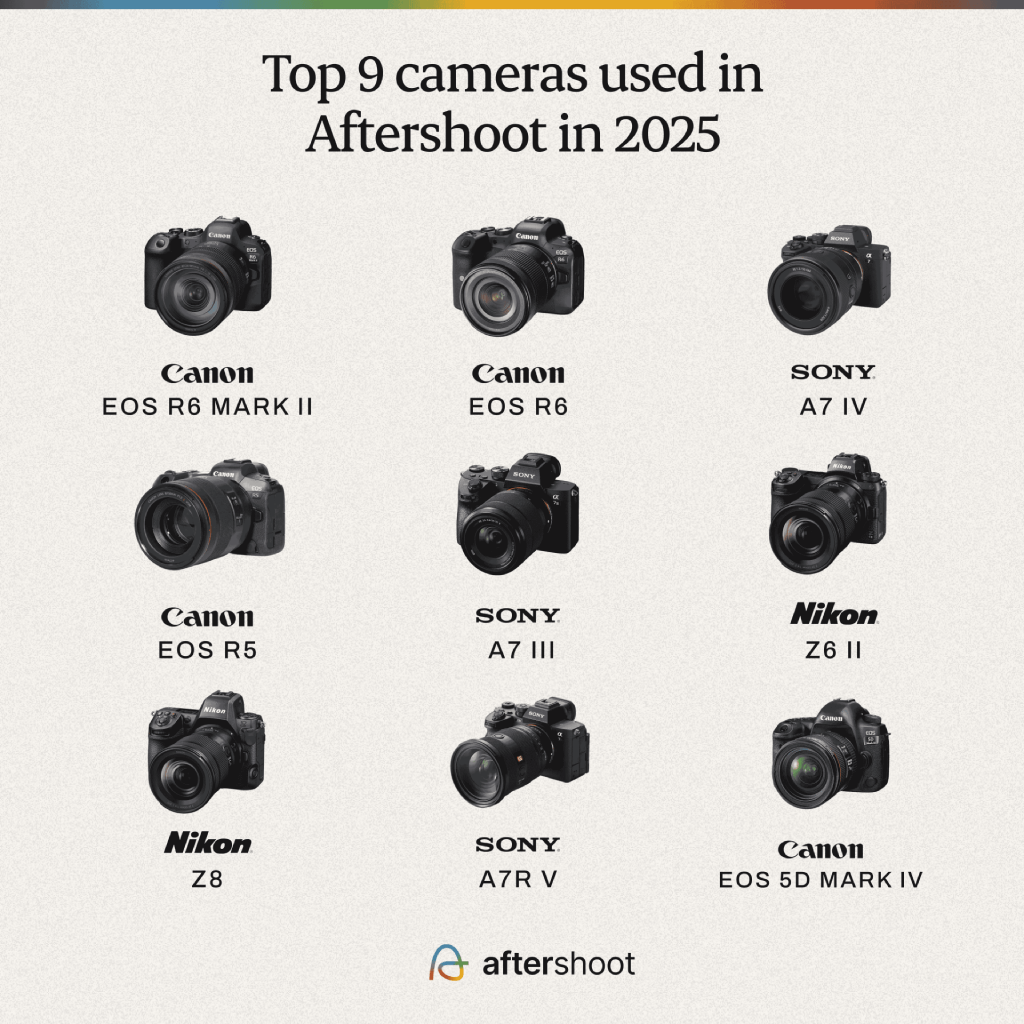
- Mirrorless camera systems – Sony A7 series, Canon R6 Mark II, or Nikon Z6 III provide excellent image quality in compact, lightweight bodies essential for hiking to remote ceremony locations.
- Compact lens selection – 24-70mm f/2.8 as primary workhorse, 85mm f/1.8 for intimate portraits, and 16-35mm f/4 for environmental shots. Prioritize image quality over gear quantity when everything needs to fit in a hiking backpack.
- Weather protection essentials – Peak Design rain covers, lens cloths, and protective filters. Mountain weather changes quickly, and there’s no backup equipment store at 12,000 feet of elevation.
Adventure-ready lighting solutions
- Natural light mastery – Elopements often happen in remote locations where artificial lighting isn’t practical. Master reflector techniques, understand golden hour timing, and learn to work with challenging natural conditions.
- Compact flash systems – Godox V1 or similar lightweight speedlights with small softboxes for situations where fill light becomes necessary. Choose modifiers that pack small and set up quickly.
- LED panel backup – Small, battery-powered continuous lights for detail shots or emergency lighting when natural light fails. Aputure MC or similar pocket-sized options that don’t add significant weight.
Camera settings for unpredictable conditions
- Aperture priority for changing light – Mountain light changes rapidly as clouds move. Use aperture priority to maintain a consistent depth of field while adapting to changing conditions automatically.
- High ISO capability utilization – Remote locations often mean shooting in challenging light. Embrace ISO 1600-6400 rather than missing moments due to inadequate exposure.
- Image stabilization optimization – Enable in-body stabilization and lens stabilization for handheld shooting in situations where tripods aren’t practical or portable.
How to shoot elopement wedding photography
Before the shoot: expedition planning and logistics
Location research and accessibility planning
Elopement photography requires extensive location research that goes far beyond traditional venue scouting. You need to understand hiking difficulty, weather patterns, permit requirements, and backup location options for when primary plans become impossible due to conditions.
Example: For a mountaintop sunrise elopement, research hiking trail conditions, sunrise timing throughout the season, weather backup options, parking logistics, and equipment weight limitations for the altitude and distance involved.
Permit and legal coordination
Many elopement locations require photography permits, especially in national parks, state forests, or protected areas. Some locations have restrictions on group sizes, equipment usage, or ceremony activities that affect your planning and equipment choices.
Timeline strategy for natural light
Unlike traditional weddings with artificial lighting options, elopements depend entirely on natural light timing. Plan ceremony and portrait timing around optimal lighting conditions, with contingency plans for weather delays that might affect light quality.
Equipment logistics and weight management
Develop systematic packing approaches that balance image quality needs with portability requirements. This often means choosing between ideal equipment and practical carrying capacity, especially for elopements involving significant hiking or remote access.
During the elopement shoot: storytelling in remote locations
Environmental storytelling techniques
Elopement wedding photoshoot requires using environment as a primary storytelling element since traditional wedding variety (large families, vendor details, reception activities) isn’t available. Master techniques for incorporating landscape, architecture, and natural elements to create visual variety and emotional context.
Example: For forest elopements, use varying focal lengths to show everything from intimate close-ups framed by trees to wide shots that show the couple’s scale within the vast natural environment, creating narrative progression that tells the adventure story.
Maximizing moments with minimal subjects
Create comprehensive galleries from limited subject matter by varying perspectives, focal lengths, and emotional approaches. Use environmental changes, outfit variations, and activity progression to build visual variety that maintains engagement throughout the gallery.
This photographer outfit guide can help you in times like these.
Directing natural interactions
Elopement couples often feel more pressure to “perform” since they’re the only subjects. Develop techniques for creating authentic interactions and genuine emotions while providing enough direction to ensure strong compositions and optimal lighting.
Weather adaptation and backup strategies
Remote elopement locations offer limited weather protection options. Develop skills for shooting in challenging conditions—rain, wind, extreme cold while maintaining image quality and protecting equipment. Sometimes the weather becomes part of the story rather than an obstacle.
Post-processing workflow for elopement wedding photography
Elopement photography editing requires creating cohesive visual narratives that enhance the adventure story while maintaining romantic intimacy across diverse and often challenging environmental conditions that remote locations present.
Here’s the workflow we recommend after shooting dozens of elopements across every imaginable location and lighting scenario:
1. Culling Elopement Wedding Photos for Story Flow
Elopements lean heavily on sequencing—how the story unfolds from location to vows to portraits. The sooner you cull, the easier it is to identify the visual spine of the day. Most photographers we work with cull elopements in under an hour using Aftershoot, thanks to near-duplicate detection, blurry focus, and more. It cuts the noise fast so you can focus on the frames that actually matter.
The AI identifies the most authentic expressions, optimal compositions, and best environmental integration within each scenario, giving you a good head start for the next phase of your editing process.
2. Editing Elopement Wedding Photography Across Locations
Elopements often span multiple lighting situations—midday cliffs, dark trails, golden hour ridges. Maintaining a coherent style manually across 400–800 RAWs can eat half a day. This is where AI editing shines:
- Match your signature style across drastically different scenes
- Stabilize skin tones between harsh sun and shade
- Keep greens, blues, and earth tones consistent without overcorrecting
Now, if you don’t have time to build an AI profile, Aftershoot has made it even more easier to edit photos faster with Instant AI profiles. Photographers can turn their favorite Lightroom presets into AI editing profiles in under a minute. You can apply it instantly post the set up.
Think of AI as your first-pass editor: it handles foundational work so you can refine selectively. After the foundational work is done, you can export to Lightroom to add your creative finesse.
Advanced techniques also include careful highlight preservation that maintains sky drama, shadow recovery that reveals detail without looking artificial, and color grading that enhances natural beauty without creating unrealistic environmental representation.
3. Retouching Hero Images Without Overprocessing
Unlike weddings, elopements don’t require heavy retouching on every portrait. Instead, focus on the 15–25 hero images that tell the story:
- The Vow shots
- Wide environmental portraits
- Close-ups with emotional expression
- The “just married” energy frames
Investing time here creates a gallery that feels elevated without bloating your workload. To cut down on your post-production time, you can use Aftershoot’s AI retouching to quickly remove blemishes, acne, stray hair, etc, on those hero shots. This takes around 20 mins tops for all your hero shots!
4. Fast Delivery for Elopement Couples
Speed matters. Elopement couples tend to be experience-driven, and fast delivery becomes part of that experience. A reliable workflow looks like this:
- Sneak peeks within 24–48 hours
- Full gallery in 7–14 days when automated efficiently
- Highlight slideshow for social-first couples
AI-assisted editing makes these turnaround times not just possible, but less stressful.
Did you know?
28% of photographers now deliver full galleries within a week. Not because they’ve gone “full AI,” but because they’ve built hybrid workflows that keep quality high while reducing the tedious work. The result?
81% of photographers reported better work–life balance after adopting this approach.If you’re serving high-paying elopement clients, this matters. Their expectations are rising, and fast, intentional delivery has become part of the premium experience. We highly recommend reading the full report to understand how today’s top photographers are using hybrid systems to stay efficient and elevate their client experience.

Popular elopement editing aesthetics
1. Adventure romance with natural color enhancement creates that authentic, outdoorsy feeling that emphasizes the natural beauty of remote locations while maintaining romantic warmth. This style enhances natural colors without over-processing, letting environmental beauty speak while ensuring couples remain the focal point.
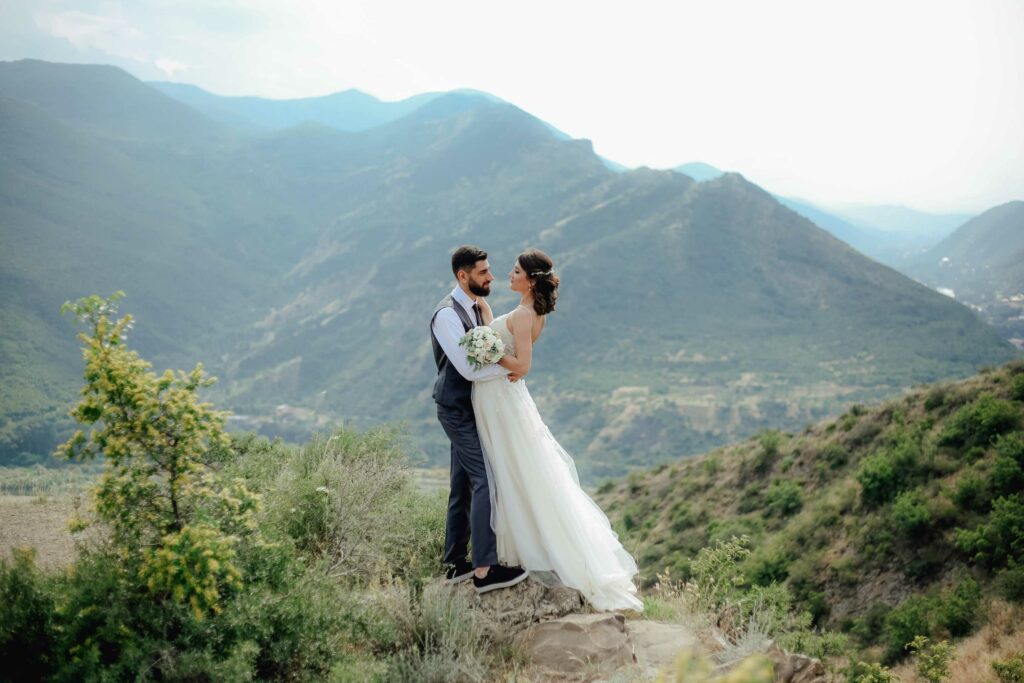
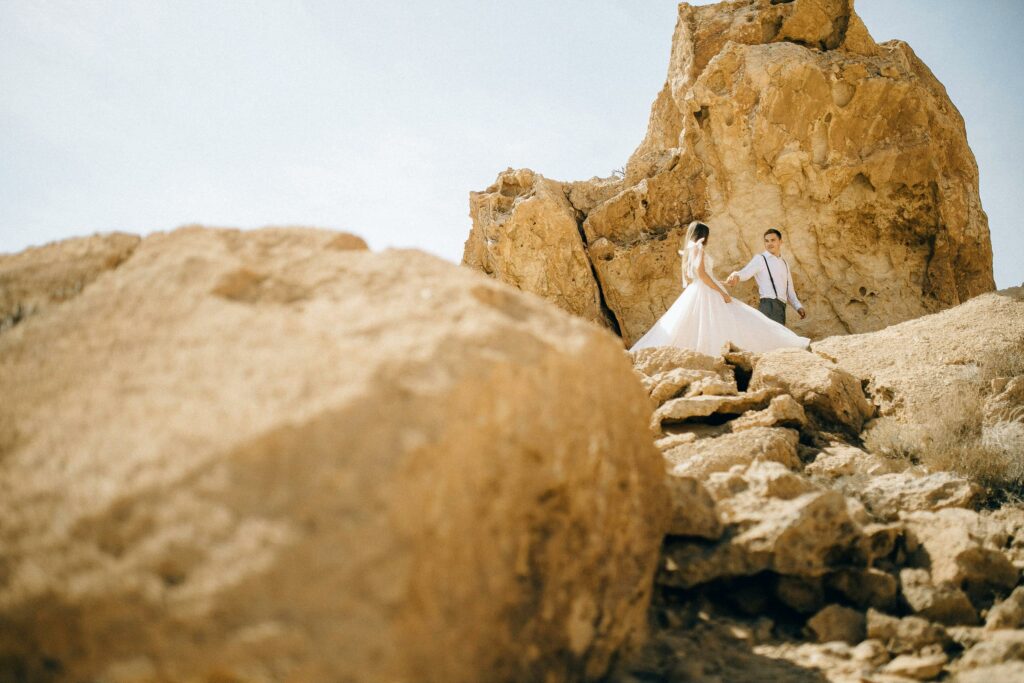
2. Moody and dramatic for epic locations works particularly well for mountain, desert, or coastal elopements, where dramatic landscapes become part of the love story. This approach uses contrast enhancement, strategic color grading, and careful attention to sky and environmental drama.
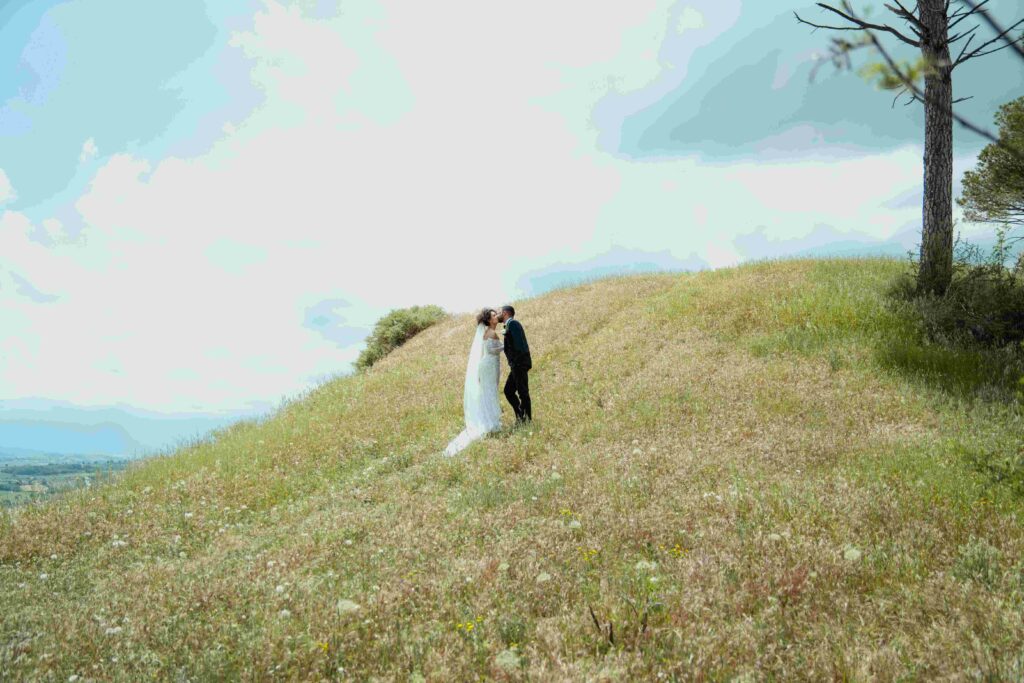
3. Warm and intimate despite wild environments appeal to couples who want cozy, romantic feelings even in adventurous settings. This editing style uses strategic warmth, lifted shadows, and color grading that create an intimate mood regardless of the dramatic scale of elopement locations.
Explore elopement-specific editing approaches in Aftershoot’s AI Styles marketplace, where adventure wedding specialists share techniques for handling diverse environmental conditions while maintaining romantic consistency.
How much does elopement wedding photography make?
Elopement wedding photography can match or exceed traditional wedding rates due to its intimacy, adventure logistics, and the couple’s heavy investment in photography as their main wedding memory.
Typical income ranges:
- $3,000–$8,000 per elopement in most markets
- $5,000–$15,000+ for adventure/destination elopements with travel, logistics, and location expertise
- $150,000–$400,000+ annually for established specialists shooting 25–40 elopements
- Entry-level: $1,500–$3,500 while building outdoor and logistics experience
Key value factors:
- Expedition planning and logistics coordination couples can’t handle alone
- Location expertise and safety knowledge for remote areas
- Weather adaptation and backup planning
- Specialized equipment for adventure conditions
Scaling opportunities:
- Niche specialization (mountain, desert, coastal elopements)
- Partnerships with guides, lodges, and outdoor recreation companies
- Destination location expertise and referral networks
- Workshops and education for aspiring adventure photographers
- Fine art landscape sales
Seasonal & geographic strategies:
- Diversify locations to maintain year-round income (e.g., winter desert, summer mountains, year-round coastlines)
Build an elopement workflow that protects your creativity (and your time)
Elopements demand a different kind of presence from photographers. And the photographers who consistently deliver unforgettable elopement galleries are the ones who’ve built workflows that support the art.
When the repetitive work is handled, you can put your energy where it actually matters: refining the hero images, shaping the story, and giving your couple a gallery that feels intentional from start to finish.
And that’s why so many elopement photographers are adopting hybrid workflows. Not to cut corners, but to stay focused on the work only they can do.
If you’re ready to streamline your culling, editing, and retouching without sacrificing your style, Aftershoot can help you get there. Try it free and see how much time you get back.