I’ve been a photographer for over 15 years now! I know, I look so youthful, but it’s true. This means I’ve worked with some of the best cameras for wedding photography from many brands before settling on my current kit.
Over the years, I’ve photographed far too many weddings in challenging lighting conditions, fast-paced environments, and unpredictable settings. Through trial and error, I’ve learned what features truly matter when capturing a wedding day.
Most modern mirrorless cameras are “good enough” on paper. The difference at weddings is consistency: low-light AF reliability, flicker/banding behavior under LEDs, battery life, and whether the workflow (cards + storage + editing) keeps up with a full season.
A wedding photographer’s camera is more than just a tool—it’s an extension of their vision. In this guide, I’ll break down the key factors that make a camera ideal for wedding photography and why choosing the right one can make all the difference.
Why Choosing the Right Camera for Wedding Photography Is Crucial
Wedding photography presents unique challenges that require a versatile, high-performing camera. Unlike controlled studio shoots, weddings demand adaptability. You might be shooting in dimly lit venues, harsh outdoor sunlight, or busy receptions. The right camera should help you work efficiently, ensuring that every crucial moment is captured beautifully and reliably.
Updated for 2026 (what matters most on a wedding day):
Prioritize reliability: dual card slots, weather sealing, and battery life you can trust for 10–12 hour days.
Autofocus is now “good” on most modern bodies, the real differentiator is how consistently it locks in low light (dance floors, churches, candlelit dinners).
If you’re hybrid (stills + video), look for 10-bit video and strong subject tracking, but don’t overbuy video specs you’ll never deliver.
Handle Low-Light Conditions
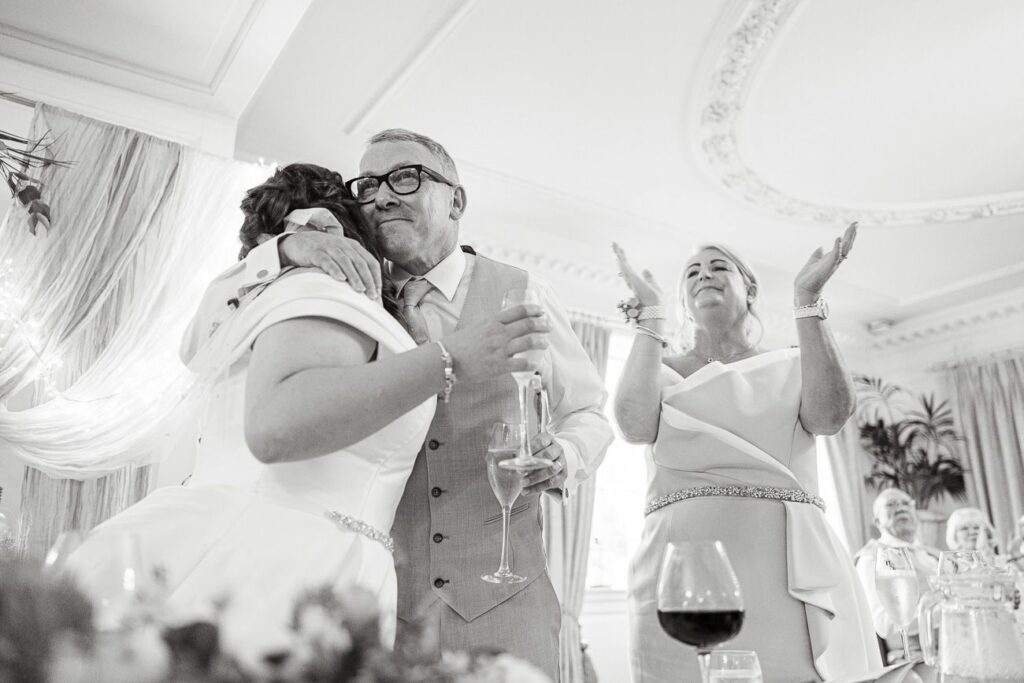
Weddings often take place in churches, reception halls, and outdoor spaces after sunset, where lighting isn’t always ideal. A camera with excellent high ISO performance and fast lenses allows photographers to maintain image quality without excessive noise.
Have Fast and Accurate Autofocus
A wedding day is full of quick moments. Tears during vows, spontaneous laughter, and high-energy dancing. A camera with an advanced but intuitive autofocus system ensures sharp images even when subjects are moving quickly or in unpredictable lighting.
Offer Dual Card Slots
Professional wedding photographers can’t afford to lose images. Cameras with dual memory card slots provide an instant backup, protecting against potential data loss due to memory card failure.
I once had a memory card corrupt whilst transferring the photographs to my hard drive. Luckily, nothing was lost as my Fujifilm X-T5 has dual SD card slots.
For 2026 workflows, faster cards (and readers) matter more than ever, especially for high burst shooting and faster offloads between events.
Provide Excellent Dynamic Range
Wedding photography often involves high-contrast scenes, such as bright white dresses against darker suits or shadowy indoor locations. A camera with more dynamic range capability helps to retain details in both highlights and shadows, making editing easier and images more refined.
Be Durable and Comfortable
Wedding days are long, and carrying a camera for 8-12 hours can take a toll. A well-built camera with weather sealing is a must, and ergonomic design ensures comfort throughout the day.
It’s worth trying a camera first, either in a camera shop or by hiring it, to see if it fits in your hand comfortably. Not all cameras will fit smaller or larger hands. I personally have smaller hands, so mirrorless cameras from Sony or Fujifilm work perfectly.
An extension of you
Choosing the right wedding photography camera is about more than just specifications. It’s about finding a tool that complements your shooting style and helps you capture moments effortlessly.
What are the Key Features of the Best Wedding Photography Cameras?
The best wedding photography cameras stand out because of their unique features that enhance performance, reliability, and creativity. Whether you’re an experienced pro or upgrading your gear to start shooting weddings, these key features are essential to consider.
Sensor Size and Resolution
A modern full-frame sensor generally performs better in low light and provides greater depth of field control. However, the lenses and bodies are often bigger than APSC bodies. Higher-resolution sensors offer more cropping flexibility, but they can also result in larger file sizes.
Autofocus System
A fast and reliable autofocus system ensures that moving subjects remain sharp. Features like Eye-Detection AF and Subject Tracking help capture quick or unexpected wedding moments.
High ISO Performance
Since weddings often take place in varying lighting conditions, a camera with excellent high ISO performance allows for cleaner images in low light without excessive noise.
Burst Mode and Buffer Size
Capturing moments as they unfold can require a camera with a fast burst rate. A large buffer size prevents lag when shooting a series of images in quick succession.
Video Capabilities
I personally only shoot still photographs, but many wedding photographers also shoot videos. Cameras with high resolution, good autofocus in video mode, and high frame rates allow for cinematic footage alongside still images.
Note: LED lighting + silent shutter
Modern venues increasingly use LED lighting, and electronic shutters can sometimes produce banding under certain LEDs. If you rely on silent shooting, look for strong anti-flicker tools and be ready to switch shutter speeds (or use mechanical shutter) when banding appears.
Battery Life
Wedding days are long, and changing batteries frequently is impractical. A camera with strong battery performance ensures uninterrupted shooting throughout the day.
Weather Sealing and Build Quality
A big one for me, being based in the UK where it rains more than it shines. A weather-sealed camera offers protection from unexpected rain, but also dusty outdoor conditions.
Making the Right Choice for Your Needs
Understanding these key features will help you make an informed decision when choosing the best camera for wedding photography. Some photographers may find that they only require a few of these capabilities, while others might need higher resolution, faster autofocus, or superior low-light performance, depending on their shooting style and the demands of their clients.
Evaluating your personal needs will help you determine which features matter most to you, without splashing out on a camera that exceeds your requirements for a higher cost.
7 Best Cameras for Wedding Photography
With so many options on the market, choosing the right camera can feel overwhelming. I’ve felt it so many times, just not knowing where to start.
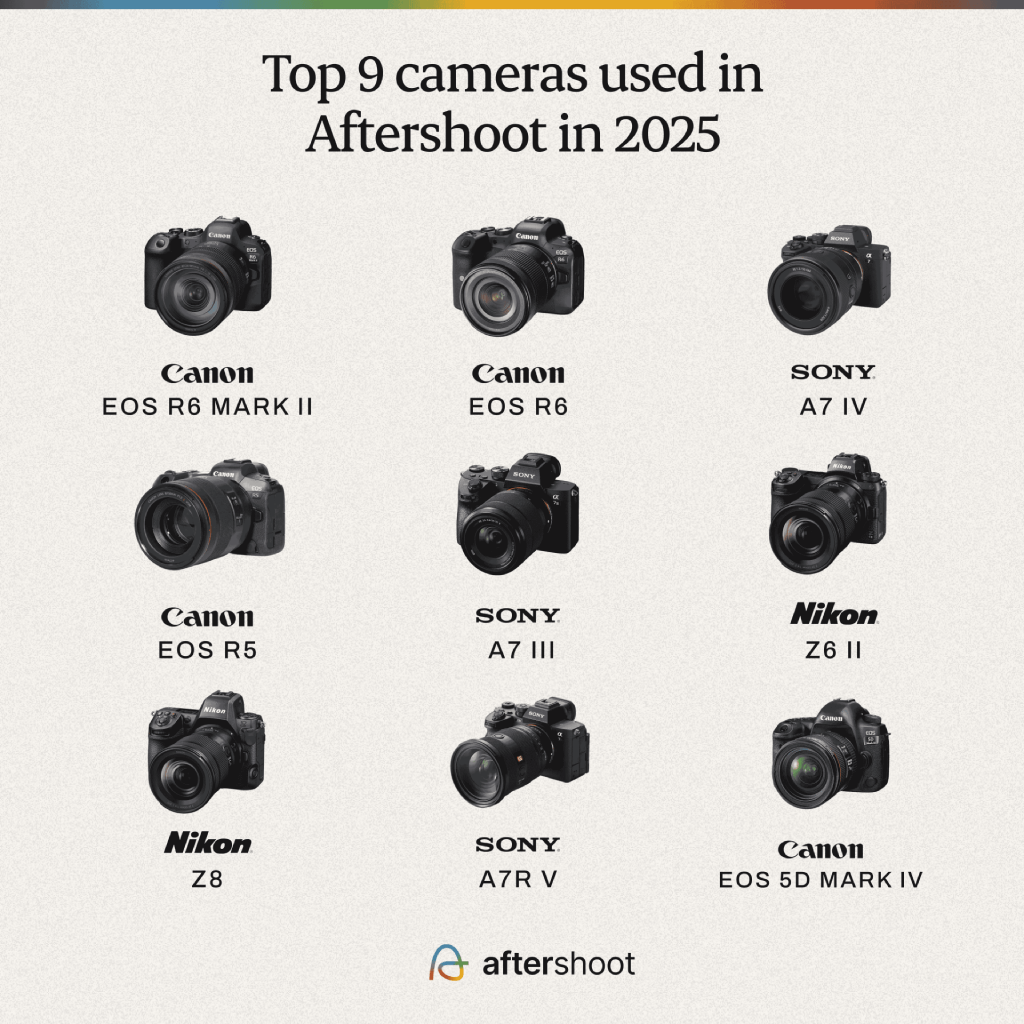
Below are some of the best cameras for wedding photography, carefully selected based on real-world performance, features, and reliability in wedding settings. I’ve included cameras that I have used personally, or cameras that come highly recommended by other professional wedding photographers.
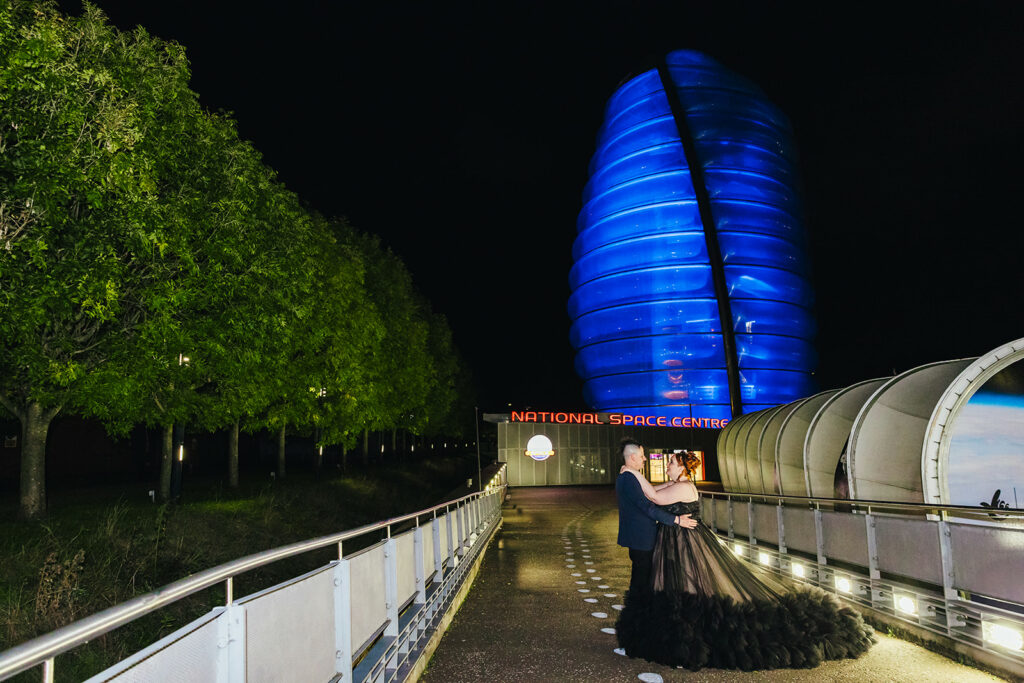
1. Canon EOS R6 Mark II
The Canon EOS R6 Mark II is a mirrorless camera that strikes the perfect balance between speed, low-light performance, and durability. It features dual card slots, incredible autofocus tracking, and high ISO capabilities, making it a fantastic choice for wedding photographers who need a reliable all-around performer.
Key Features:
- 24.2MP full-frame sensor
- Dual Pixel CMOS AF II with advanced subject tracking
- Low-light ISO performance up to 102,400
- Dual SD card slots for backup security
- 8 stops of in-body image stabilization (IBIS)
- High-speed burst mode up to 40fps
- 4K 60p video recording with oversampling for hybrid shooters
Why It’s Great for Weddings
The Canon EOS R6 Mark II is an ideal all-rounder, perfect for handling dimly lit receptions, fast-moving subjects, and long wedding days. Its powerful autofocus ensures that moments are captured with precision.
2. Sony A7 IV – The Hybrid Powerhouse
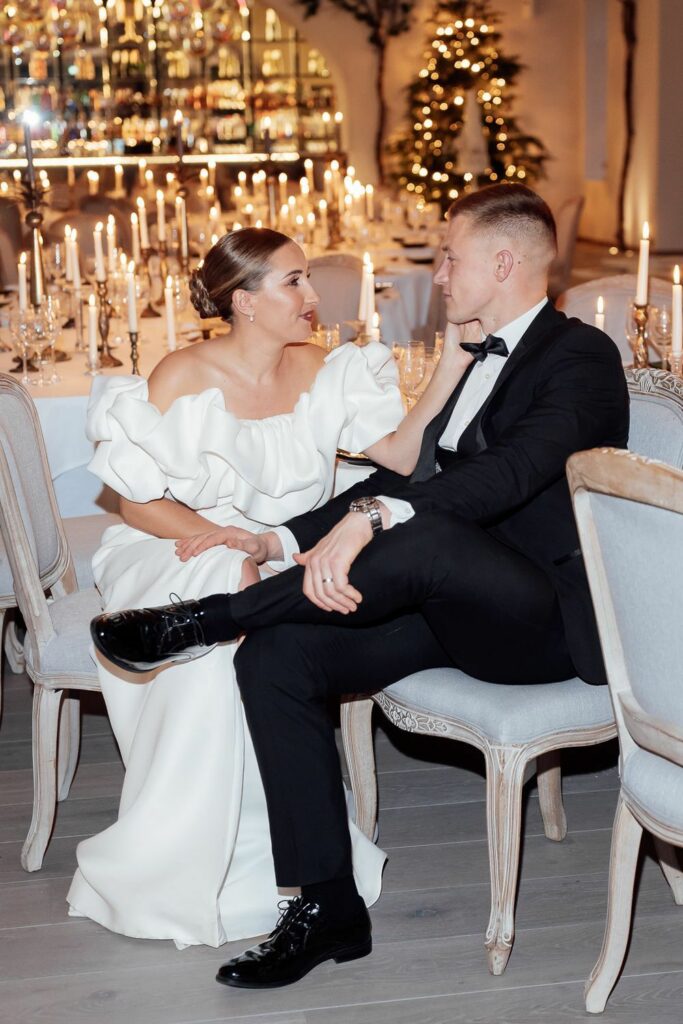
My own current camera of choice, the Sony A7 IV is a versatile mirrorless camera that excels in both photography and videography, making it an excellent choice for wedding photographers who also provide video coverage. With exceptional autofocus, strong low-light capabilities, and superior dynamic range, this camera is a powerhouse for capturing weddings.
Key Features:
- 33MP full-frame sensor for high-resolution images
- Fast Hybrid AF with Real-Time Eye Tracking
- ISO range up to 204,800 for low-light shooting
- 10-bit 4:2:2 internal video recording for superior color depth
- 5-axis in-body image stabilization (IBIS)
- Twin card slots (Slot 1: CFexpress Type A / SD, Slot 2: SD only)
- 4K 60p video is recorded in Super35/APS-C mode (crop applies)
Why It’s Great for Weddings
The Sony A7 IV is perfect for wedding photographers who want high-quality stills and professional-grade video in a single package. Its Real-Time Eye Autofocus ensures subjects stay sharp, even during fast-paced moments, while its color science produces beautiful skin tones straight out of the camera.
3. Nikon Z8 – The High-Resolution Powerhouse
The Nikon Z8 is a compact yet powerful full-frame camera that inherits many of the flagship Nikon Z9’s capabilities, making it an excellent choice for wedding photographers who need exceptional image quality, speed, and dynamic range.
Key Features:
- 45.7MP full-frame stacked CMOS sensor
- EXPEED 7 image processor for ultra-fast performance
- 493-point phase-detection AF with subject tracking
- ISO range of 64-25,600 (expandable to 102,400)
- 20fps RAW burst mode (120fps in JPEG)
- 8K 30p and 4K 120p video recording
- Dual card slots (CFexpress Type B / XQD compatible + SD UHS-II)
Why It’s Great for Weddings
The Nikon Z8 is perfect for photographers who need high-resolution images while maintaining speed and versatility. It excels in low-light performance, fast autofocus, and capturing intricate details, making it ideal for luxury wedding photographers with a higher gear budget.
4. Fujifilm X-T5 – The Stylish and Lightweight Choice
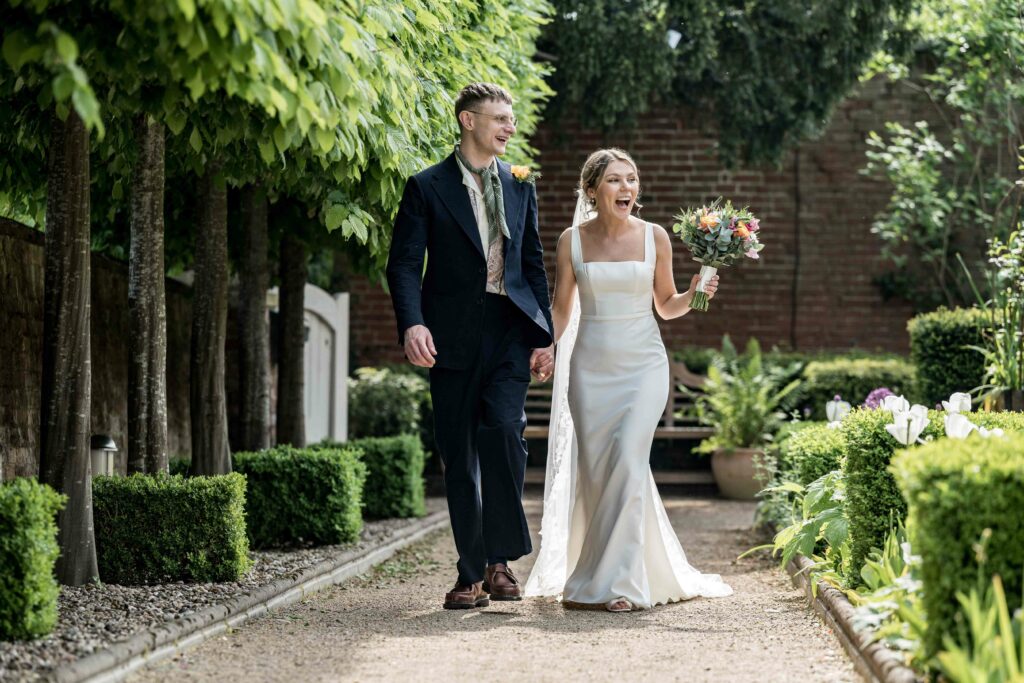
The Fujifilm X-T5 is an APS-C mirrorless camera that offers exceptional color science, a lightweight body, and a classic design, making it an excellent option for wedding photographers who prefer a compact setup without sacrificing quality. Before I moved to Sony cameras, this was my camera and brand.
Key Features:
- 40.2MP APS-C X-Trans CMOS 5 HR sensor
- In-body image stabilization (IBIS) with up to 7 stops
- Film simulation modes for stunning colors straight out of the camera
- Fast and accurate autofocus with subject detection
- Dual SD card slots
- 6.2K 30p and 4K 60p video capabilities
Why It’s Great for Weddings
The Fujifilm X-T5 offers a unique blend of style, portability, and color rendition, making it perfect for documentary-style wedding photography.
5. Canon EOS R8 – The Budget-Friendly Full-Frame
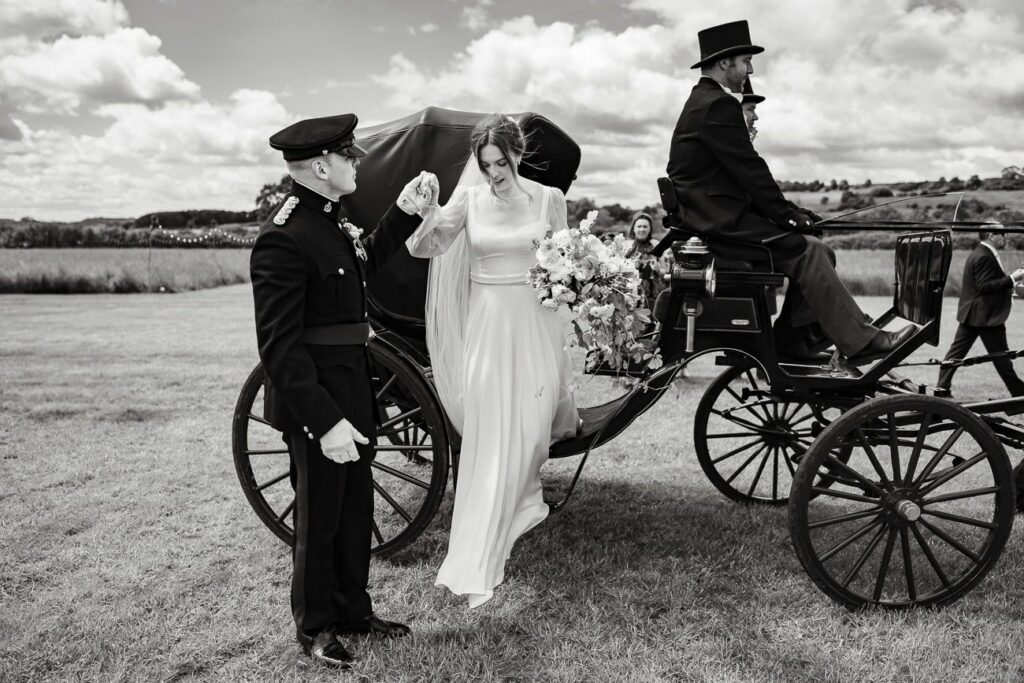
The Canon EOS R8 is an entry-level full-frame mirrorless camera that offers impressive image quality and performance at a more accessible price. For wedding photographers looking for an affordable yet capable option, this camera delivers excellent results without breaking the bank.
Key Features:
- 24.2MP full-frame sensor for high-quality images
- Dual Pixel CMOS AF II with intelligent subject tracking
- ISO range up to 102,400 for low-light shooting
- 4K 60p video (oversampled from 6K for detailed footage)
- Lightweight and compact design
- HDR PQ and Canon Log 3 for professional video workflows
Why It’s Great for Weddings
The Canon EOS R8 is perfect for wedding photographers looking for a budget-friendly full-frame camera. It provides exceptional image quality and fast autofocus while remaining lightweight and easy to handle for long shooting days.
Do note, that this camera only has one SD card slot. This could be an issue for weddings.
6. Sony A7 III – The Budget Full-Frame Choice
The Sony A7 III remains one of the best budget-friendly full-frame cameras available for wedding photography. With excellent low-light performance, fast autofocus, and a durable build, it’s a fantastic choice for those looking to maximize value without compromising quality.
Key Features:
- 24.2MP full-frame sensor for sharp, detailed images
- Fast Hybrid Autofocus with 693 phase-detection points
- ISO range up to 204,800 for exceptional low-light performance
- Dual SD card slots for backup security
- 5-axis in-body image stabilization (IBIS)
- 10fps continuous shooting
- 4K video recording with full pixel readout
Why It’s Great for Weddings
The Sony A7 III is perfect for budget-conscious wedding photographers who still want a professional-grade camera. Its fast autofocus, low-light performance, and dual card slots make it a workhorse that competes with newer models at a lower price point.
7. Leica SL3 – The Luxury Wedding Camera
For photographers who want the ultimate in build quality, color rendering, and prestige, the Leica SL3 is a premium option. Known for its impeccable craftsmanship and unique color science, the SL3 offers wedding photographers an unparalleled shooting experience.
Key Features:
- 60MP full-frame sensor for extraordinary detail
- Leica’s Maestro IV image processor for outstanding color depth
- Advanced contrast and phase detection autofocus system
- ISO range up to 100,000 for superior low-light capabilities
- 4K 60p and 8K 30p video recording
- Weather-sealed body with premium magnesium alloy construction
- Leica L-mount compatibility for high-end lens choices
Why It’s Great for Weddings
The Leica SL3 is for photographers who prioritize craftsmanship, image quality, and an exclusive shooting experience. Its high-resolution sensor and Leica’s legendary optics deliver breathtaking wedding images with rich color tones and exquisite detail.
A few newer cameras you’ll see everywhere in 2026 (worth knowing about)
Weddings punish weak points (AF in ugly light, overheating, card writing quirks, battery life, and long-day ergonomics). The newer camera releases aren’t battle-tested yet to make the “best picks” list yet, but here are newer bodies that are getting a lot of attention + what reviewers and early adopters tend to like/dislike so far.
But if you’re comparing options in 2026, you should know they exist and what people seem to be saying after real-world use.
Note: This section is based on a mix of hands-on reviews and photography forum discussions + wedding-focused YouTube tests.
Sony A7 V
This is the kind of release that makes Sony shooters pause mid-season and go, “Okay… do I upgrade?” The general vibe from early reviews and working photographers is that it feels like a more responsive, more confident version of the A7-series “do-it-all” body, especially around subject tracking and fast moments where you don’t get a second chance (think: processional, first kiss, parents reacting, dance floor chaos).
If you’re already getting consistent results with an A7 IV, there’s honestly no need to panic-upgrade. But if you’re buying fresh in 2026 and want a modern Sony hybrid body that’s designed to keep up with weddings, the A7 V is definitely on the shortlist.
Key features:
- Full-frame hybrid body designed for fast-paced work
- Strong subject tracking / AF improvements highlighted in early testing
- High-speed burst shooting (useful for ceremony + dance floor sequences)
- Hybrid-friendly video specs for photographers who also deliver motion
Canon EOS R6 Mark III
The R6 line has always been a wedding-friendly sweet spot, and the Mark III is showing up as Canon’s “fast, practical, shoot-the-day” option. What photographers seem to like is that it’s built for capturing moments quickly and confidently.
The only real caution we’d add is: don’t let the spec sheet push you into buying video features you don’t deliver. If you’re a stills-first photographer who occasionally shoots a highlight film, it can be a great fit. If you’re never delivering video, you might be paying for headroom you’ll never touch.
Key features:
- Wedding-friendly “speed and reliability” positioning (stills-first hybrid)
- High burst performance and capture tools geared for timing-critical moments
- Strong subject tracking / AF performance emphasized in reviews
- Capable video modes for hybrid deliverables (without needing an R5-tier body)
Canon EOS R5 Mark II
This is the one you’ll hear described as “everything camera,” and a lot of the wedding conversations around it are basically: “Do I actually need this much power?” People who love it tend to love the confidence, speed, autofocus, and files that let you crop without fear when you can’t physically get closer (ceremonies, tight aisles, balcony venues).
The tradeoff is predictable. It’s a premium body with premium file sizes. If your workflow already feels heavy (storage, backups, editing time), stepping into bigger files is something to think through before you commit. But if you want flagship performance and you’ll actually use it, it’s a very real option in 2026.
Key features:
- High-resolution full-frame files with strong cropping flexibility
- Flagship-tier autofocus and speed commonly cited in real-wedding tests
- Hybrid stills/video toolset aimed at photographers who do both
- Workflow consideration: larger files = more storage + heavier post-processing
Nikon Z6III
This one comes up a lot in “I want modern performance without carrying a brick all day” conversations. If you love Nikon color and handling but don’t want Z8/Z9 size (or budget), the Z6III often gets positioned as a practical middle path: strong, modern, and comfortable for long wedding days.
If your style is more documentary and you care about speed + reliability more than extreme megapixels, it’s a body that makes sense to compare, especially if you’re building a lighter two-body kit.
Key features:
- Modern full-frame body aimed at balanced performance (not “max megapixels”)
- Strong all-day handling for long wedding coverage
- Hybrid-friendly capabilities for photographers delivering some video
- Often discussed as a lighter alternative to Z8/Z9-tier kits
None of these newer bodies are “must-upgrades” mid-season, especially if the current kit is already delivering reliably. But they’re useful comparison points for 2026 buyers, and they’ll likely move into the main recommendations once they’ve had more real-wedding time, firmware maturity, and long-term feedback behind them.
Choosing the Best Camera for Wedding Photography
Selecting the right camera for wedding photography depends on your specific shooting style, budget, and feature priorities. Whether you opt for a best-value workhorse, a luxury choice like the Leica SL3, or something in between, it’s essential to choose a camera that supports your creative vision and photography workflow.
Each camera listed here excels in different areas—some prioritize low-light performance, others autofocus speed, and some provide unmatched image quality. The best choice for you is the one that balances your needs, budget, and long-term goals as a wedding photographer.
Next Steps: Streamline Your Workflow with Aftershoot
Selecting the perfect camera is just one part of the equation. Editing and culling thousands of images efficiently is just as important for wedding photographers. That’s where Aftershoot comes in.
Aftershoot is an AI-powered tool designed to help photographers cull and edit photos faster than ever, saving you hours of manual sorting and adjustments.
Why Use Aftershoot?
- AI-Powered Culling – Automatically selects the best shots while removing duplicates, blinks, and missed focus.
- Batch Editing – Apply consistent edits across your images effortlessly.
- Custom AI Training – Teach Aftershoot your unique editing style for automatic adjustments.
- Lightning-Fast Workflow – Spend more time shooting and less time in front of your computer.
Try Aftershoot for Free
If you want to save hours of post-production work and streamline your wedding photography workflow, try Aftershoot today with a free 30-day trial.